Wetsuits Australia: Your Ultimate Guide to Choosing the Perfect Wetsuit
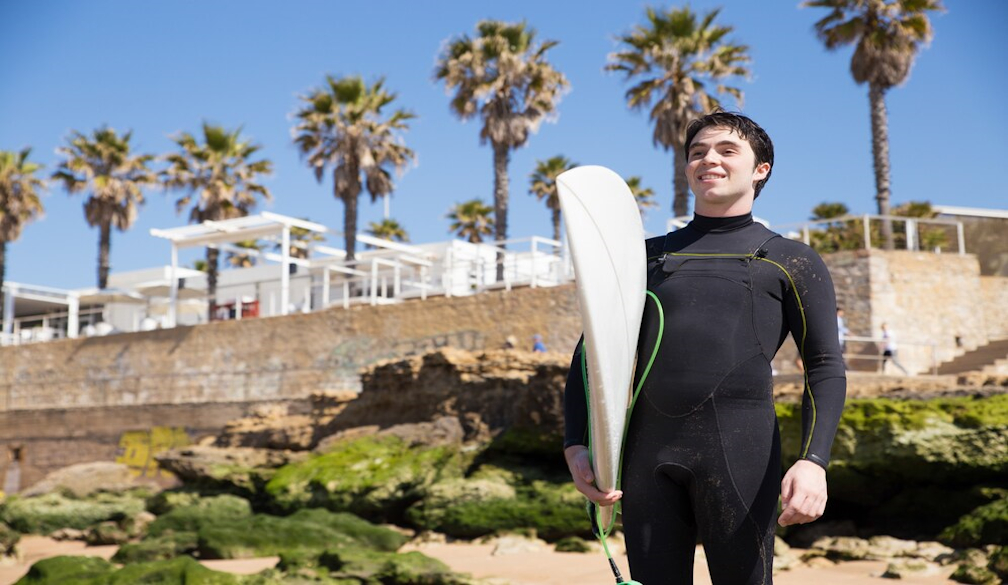
Australia is a haven for water enthusiasts, offering everything from surfing and snorkelling to scuba diving and kayaking. A high-quality wetsuit is essential for making the most of these activities, ensuring comfort, protection, and enhanced performance. If you’re looking for the best wetsuits in Australia, this comprehensive guide will help you make an informed choice.
From understanding wetsuit materials to exploring the different types available, we’ll cover everything you need to know to find the perfect wetsuit for your aquatic adventures.
Why Wetsuits Are Essential for Australian Waters
Australia’s diverse coastline and varying water temperatures mean that a wetsuit is more than just gear—it’s a necessity. Here’s why:
- Thermal Protection
- A wetsuit helps maintain your body temperature, allowing you to enjoy activities in colder waters without discomfort.
- Buoyancy
- Wetsuits provide additional buoyancy, making it easier to float and swim efficiently.
- Protection
- They protect your skin from sun exposure, jellyfish stings, and abrasions from coral or rocks.
- Flexibility
- Modern wetsuits are designed for flexibility, ensuring a full range of motion during activities like surfing or diving.
Types of Wetsuits Available in Australia
When shopping for wetsuits in Australia, it’s important to choose one that suits your activity and the conditions you’ll be facing. Here are the main types:
- Full Wetsuits
- Also known as steamer wetsuits, these provide full-body coverage, including arms and legs. They are ideal for colder water temperatures and offer maximum protection.
- Shorty Wetsuits
- These have short sleeves and legs, making them perfect for warmer climates and activities like snorkeling or kayaking.
- Spring Wetsuits
- A mix of a full suit and a shorty, spring wetsuits cover the torso and arms while leaving the legs exposed. They are great for mild water temperatures.
- Rash Guards
- While not technically wetsuits, rash guards offer a lightweight alternative for warm water activities. They protect against UV rays and minor abrasions.
- Two-Piece Wetsuits
- These consist of a separate top and bottom, offering versatility and ease of movement for divers and surfers.
- Dry Suits
- Designed for extreme conditions, dry suits keep you completely dry and are typically used for diving in very cold waters.
Factors to Consider When Choosing a Wetsuit
Finding the right wetsuit in Australia depends on several factors:
- Water Temperature
- The thickness of the wetsuit material is crucial. Thicker neoprene provides better insulation for colder waters, while thinner wetsuits are suitable for warmer conditions.
- Guide to Thickness:
- 2mm: Warm tropical waters
- 3mm: Mild temperatures
- 5mm: Cold waters (e.g., southern Australia)
- Fit and Comfort
- A wetsuit should fit snugly without restricting movement. Ensure there are no gaps or areas that allow water to seep in.
- Material
- Most wetsuits are made from neoprene, a flexible and insulating material. Premium wetsuits often use super-stretch neoprene for added comfort and mobility.
- Seams
- The type of seam construction affects the wetsuit’s durability and insulation:
- Flatlock seams: Comfortable but allow some water to enter.
- Glued and blind-stitched seams: Minimise water entry, ideal for colder conditions.
- Taped seams: Provide the best seal for maximum warmth.
- Activity
- Consider the type of water sport you’ll be doing. Surfing wetsuits prioritize flexibility, while diving wetsuits focus on insulation and durability.
- Brand and Warranty
- Opt for reputable brands that offer warranties, ensuring you invest in a durable and reliable wetsuit.
Top Wetsuit Features to Look For
Modern wetsuits in Australia come with various features to enhance your experience. Look for the following:
- Zipper Types
- Back Zips: Easy to put on and take off.
- Chest Zips: Provide a better seal and more flexibility.
- Zip-Free: Lightweight and highly flexible.
- Lined Neoprene
- Fleece-lined neoprene adds extra warmth and comfort, particularly in colder waters.
- Reinforced Knees
- Essential for durability, especially for surfers and divers who kneel frequently.
- UV Protection
- Many wetsuits offer built-in UV protection, ideal for Australia’s sunny conditions.
- Quick-Drying Materials
- Wetsuits with quick-drying linings reduce downtime between sessions.
Wetsuit Care and Maintenance
Proper care extends the life of your wetsuit and ensures it performs optimally. Follow these tips:
- Rinse After Use
- Rinse your wetsuit with fresh water after each use to remove salt, sand, and chlorine.
- Dry Properly
- Hang your wetsuit inside out in a shaded area. Avoid direct sunlight, as UV rays can degrade the material.
- Store Correctly
- Store your wetsuit flat or on a wide hanger to prevent creases and damage.
- Use Wetsuit Shampoo
- Occasionally wash your wetsuit with a special wetsuit shampoo to remove odors and maintain elasticity.
- Inspect for Damage
- Check for tears or loose seams and repair them promptly to avoid further wear.
Best Locations for Wetsuit Adventures in Australia
Australia’s vast coastline offers endless opportunities for water sports. Here are some top destinations where a wetsuit is essential:
- Great Barrier Reef, Queensland
- Explore the world’s largest coral reef system while staying protected in a full wetsuit.
- Bondi Beach, New South Wales
- Perfect for surfing, a spring or shorty wetsuit is ideal for these iconic waters.
- Mornington Peninsula, Victoria
- Dive into cooler southern waters with a 5mm full wetsuit for maximum comfort.
- Rottnest Island, Western Australia
- Snorkel or dive in these pristine waters with a wetsuit suited to the season.
- Tasmania
- For colder conditions, a thick full wetsuit or even a dry suit is essential to enjoy diving and kayaking in this region.
Benefits of Investing in a High-Quality Wetsuit
While budget wetsuits may seem tempting, investing in a high-quality wetsuit in Australia pays off in the long run:
- Enhanced Comfort
- Premium wetsuits provide a better fit, ensuring maximum comfort during extended sessions.
- Improved Performance
- High-quality materials and advanced features allow for greater flexibility and mobility.
- Durability
- A well-made wetsuit lasts longer, saving you money over time.
- Safety
- Superior insulation and buoyancy improve safety in challenging conditions.
Frequently Asked Questions About Wetsuits in Australia
- What thickness wetsuit do I need for Australian waters?
- The thickness depends on the region and water temperature. Northern Australia often requires 2-3mm wetsuits, while southern areas may need 5mm or thicker.
- How should a wetsuit fit?
- A wetsuit should be snug but not restrictive. Ensure there are no loose areas that could let water in.
- Can I use the same wetsuit for surfing and diving?
- While some wetsuits are versatile, diving wetsuits are generally thicker and more durable, while surfing wetsuits prioritize flexibility.
- How do I know when to replace my wetsuit?
- Replace your wetsuit if it no longer fits well, has significant tears, or has lost its insulation properties.
Conclusion
Finding the perfect wetsuit in Australia is key to enjoying your water sports to the fullest. Whether you're diving into the Great Barrier Reef, surfing at Bondi Beach, or snorkeling in pristine waters, the right wetsuit will keep you warm, comfortable, and protected. By understanding the different types, materials, and features available, you can select a wetsuit tailored to your needs and the Australian conditions you’ll encounter.
Invest in a high-quality wetsuit, care for it properly, and dive into Australia’s stunning waters with confidence. Explore your options today and gear up for your next aquatic adventure!